Eight quick checks to run on every supplement label
Labels hold more information than most shoppers read. This eight-point checklist works for any dietary supplement, in any store, and takes about two minutes once you have practiced it.
- Read the label on the product itself, not just the web page
- The Supplement Facts panel and serving directions come first
- Check who makes it, the dates and any seals
- Read marketing statements as the brand's own words
Check one: confirm the product name and form
Start with the basics. What is the exact product name, and what form is it: capsule, tablet, powder or liquid? Brands sometimes sell several versions of one name, and the label tells you which one is in your hand.
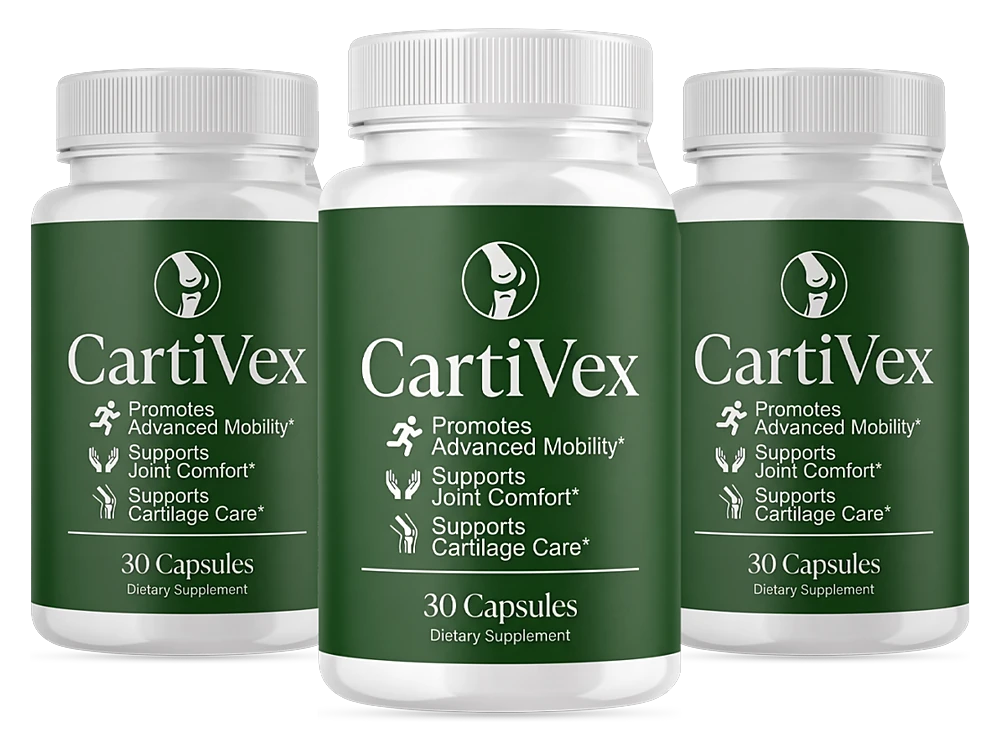
Look for the statement of identity, which describes the product type. On a bottle of Cartivex, for instance, the label reads Dietary Supplement, and the front also shows the brand's name in white serif lettering on a dark-green background. Spotting those details helps you confirm that the bottle matches the product page you read online.
Also look at the count printed on the bottle. Cartivex prints 30 Capsules, as shown on the label. Always trust the printed count over any description you saw elsewhere.
Checks two and three: the panel and the serving directions
Find the Supplement Facts panel, a boxed table that the U.S. FDA requires on dietary supplement labels. It lists serving information and the contents of the product. Read it slowly, from top to bottom.
Next, locate the directions. They state how much to take and when, and the label is the only authority on this. Whatever you read in an article, an advertisement or a social post, follow the directions as printed on the bottle.
- Look at the serving size line first.
- Check the number of servings per container.
- Read the full panel, including any footnotes.
The Supplement Facts panel guide walks through a panel in detail, and the NIH Office of Dietary Supplements publishes a plain-language consumer fact sheet.
Check four: read the other ingredients line
Below the panel you will often find a line headed Other Ingredients. It lists items such as capsule shell materials or fillers. It matters because it completes the picture of what is inside.
Read it with care if you have a preference you try to avoid in your shopping. Ingredient lists are arranged in a set order, and everything in the product must appear somewhere on the label.
For a specific product, the label on the bottle is the complete source. A website can summarize, but it can also leave things out. The Cartivex ingredients page directs readers back to the bottle for the exact wording, which is the habit to build with every product you buy.
Try this: photograph the panel and the other-ingredients line when you receive the bottle, so you have them on hand later.
Check five: find out who makes and sells it
Every compliant label includes the name and place of business of the manufacturer, packer or distributor. Look near the bottom or the back.
This line tells you who stands behind the product and how to reach them. It also helps when you compare brands, since a company that makes its contact details easy to find is easier to deal with later.
- Look for a company name and address.
- Check for a phone number or website.
- See whether the label mentions where the product was made.
Some brands add statements about manufacturing standards. Cartivex, as stated by the brand, is made in the USA, FDA registered and GMP certified. Read statements like these as the brand's own words, and look at what the U.S. FDA publishes about dietary supplements to understand what such terms generally mean.
Checks six and seven: dates and seals
Look for a lot number and an expiration or best-by date. They are usually stamped or printed on the bottom or the base of the bottle, not on the front label. Dates tell you how fresh the product is, and lot numbers help a company trace a batch if you ever need to contact them.
Then examine the seals. Is there an intact band or foil under the cap? A missing or broken seal on arrival is a good reason to reach out to the seller before opening anything.
- Find the date and lot number.
- Check that any seal is intact.
- Look at the bottle for damage or leaks.
Many brands also publish a refund process. Cartivex, as stated by the brand, offers a 60-day money-back guarantee, with refunds handled through customer support. Read the full terms on the order page.
Check eight: separate the label from the marketing
The last check is the most subtle. Product pages, ads and videos are marketing. The label is regulated information. Keep the two apart in your head.
When a page makes a bold statement, ask where it comes from. Is it attributed to the brand? Does the label itself say it? Is it backed by something you can read yourself? Be wary of anything that sounds too good to be true, and remember that you always have the right to read more before ordering.
Cartivex has several supporting statements printed on its label. Rather than relying on a summary, read them directly on the bottle. For broader context about how the brand describes itself, see Cartivex explained.
Run through all eight checks, and you will be ahead of most shoppers. Keep the list on your phone and use it every time.